November 25, 2026
Recurring clogged drains may signal a larger problem within a property's sewer line. When wastewater cannot flow freely, sinks, tubs, showers, and toilets may experience backups or slow drainage. Because multiple fixtures often connect to the same main line, an obstruction or damaged pipe can affect several areas. Virginia property owners who recognize these warning signs can seek professional plumbing service early, helping identify underlying issues and reduce the risk of more extensive disruption.
Recognizing the Signs of a Sewer Line Problem
Drainage issues can develop gradually or appear without much warning. A sink that empties slowly may indicate buildup close to the fixture, while repeated backups in different parts of the home can suggest a problem farther along the drainage system. When several fixtures experience trouble around the same time, the shared sewer line may need attention.
Other warning signs include water backing up into a bathtub when a toilet is flushed, bubbling sounds from drains, or wastewater returning through a floor drain. These symptoms can occur when an obstruction prevents wastewater from moving through the main line as it should. Unpleasant sewage odors near drains or around the property may also indicate a problem with the plumbing system.
According to Gitnux, drain blockages and sewer line concerns make up approximately 60% of plumbing-related emergency calls. This figure illustrates how frequently drainage and sewer problems contribute to urgent plumbing needs. Paying attention to recurring symptoms can help property owners recognize when a routine drainage concern may require a more thorough evaluation.
Identifying How Multiple Fixtures Reveal Shared Blockages
Individual fixtures have their own drainpipes, but many eventually connect to a shared branch or main sewer line. This arrangement means a problem in one section can affect multiple areas of a building. For example, a blockage near a bathroom fixture may cause one toilet or sink to drain slowly. A restriction farther down the main line can affect several fixtures throughout the property.
The pattern of symptoms can provide useful information during a plumbing assessment. If a kitchen sink is draining slowly but the rest of the plumbing works normally, the issue may be limited to that fixture or its connecting pipe. If toilets, showers, and sinks begin backing up together, the cause may involve a shared drainage section.
Recurring clogged drains in different rooms deserve particular attention because they may indicate a problem beyond individual fixtures. A professional plumber can evaluate the system to determine where the restriction is located and whether the main sewer line is involved.
Understanding What Causes Sewer Line Obstructions
Several conditions can interfere with wastewater movement through a sewer line. Grease, soap residue, food particles, and other debris may collect along pipe walls over time. Although these materials often enter through household drains, accumulated buildup can eventually restrict the flow of wastewater farther into the system.
Tree roots are another possible cause of sewer line trouble. Roots naturally seek moisture and may enter pipes through existing cracks, loose joints, or other openings. Once inside, they can grow and collect additional debris, making it harder for wastewater to pass through the affected section.
Pipe damage can also contribute to recurring drainage problems. Older pipes may deteriorate, while shifting soil, ground movement, or other external pressure can affect underground plumbing. A pipe that has cracked, separated, or developed a low section may allow debris to collect or prevent wastewater from flowing efficiently. Identifying the underlying cause is important because clearing an obstruction alone may not resolve a damaged line.
Evaluating the Effects of Virginia's Seasonal Conditions
Seasonal weather can place additional demands on residential plumbing systems throughout Virginia. Heavy rainfall can increase the amount of water moving through drainage systems, particularly around properties with aging infrastructure or existing sewer concerns. Saturated soil may also contribute to ground movement that affects underground pipes.
Cold winter conditions can create additional challenges for exposed or poorly protected plumbing. While underground sewer lines are generally less vulnerable to freezing than exposed pipes, unusually cold temperatures and inadequate protection can still contribute to plumbing problems in certain locations. Changes in soil conditions throughout the year may also affect older or weakened lines.
Property owners should pay attention to drainage changes after periods of heavy rain, freezing temperatures, or significant seasonal shifts. If backups, clogged drains, or unusual odors become more noticeable during these periods, a professional evaluation can help determine whether the issue involves a fixture, the main drain, or another part of the plumbing system.
Examining the Role of Professional Drain Inspections
When symptoms keep returning, identifying the location and cause of the problem is more useful than repeatedly addressing the visible backup. Professional drain inspections can provide a clearer understanding of what is happening inside the plumbing system. Video camera inspections, for example, allow plumbers to view the interior of accessible pipes and look for obstructions, root intrusion, cracks, or other visible concerns.
Camera locating can also help determine where a particular section of pipe is positioned. This information can support a more informed assessment and help establish what type of service may be appropriate. The inspection findings allow a plumber to explain whether the issue involves accumulated material, a damaged pipe, or another condition affecting drainage.
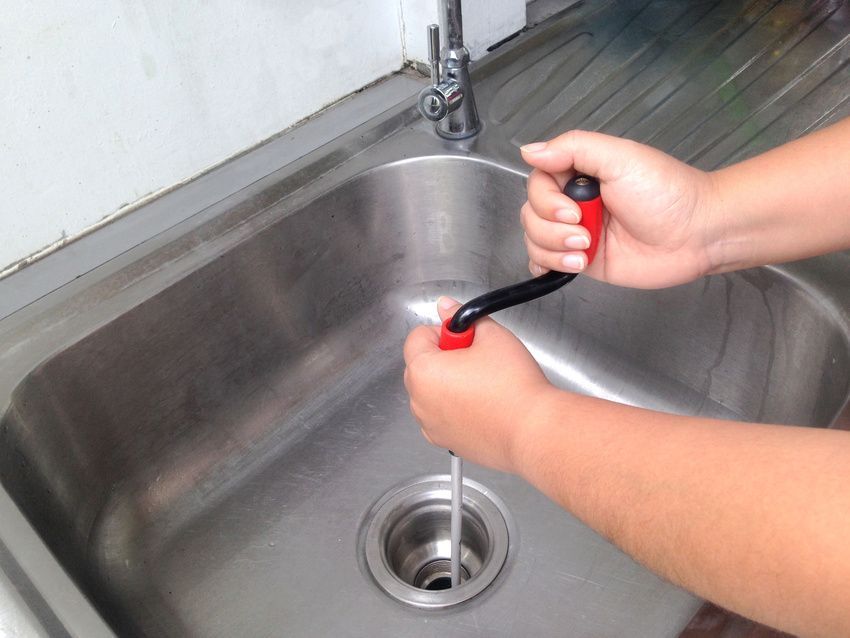
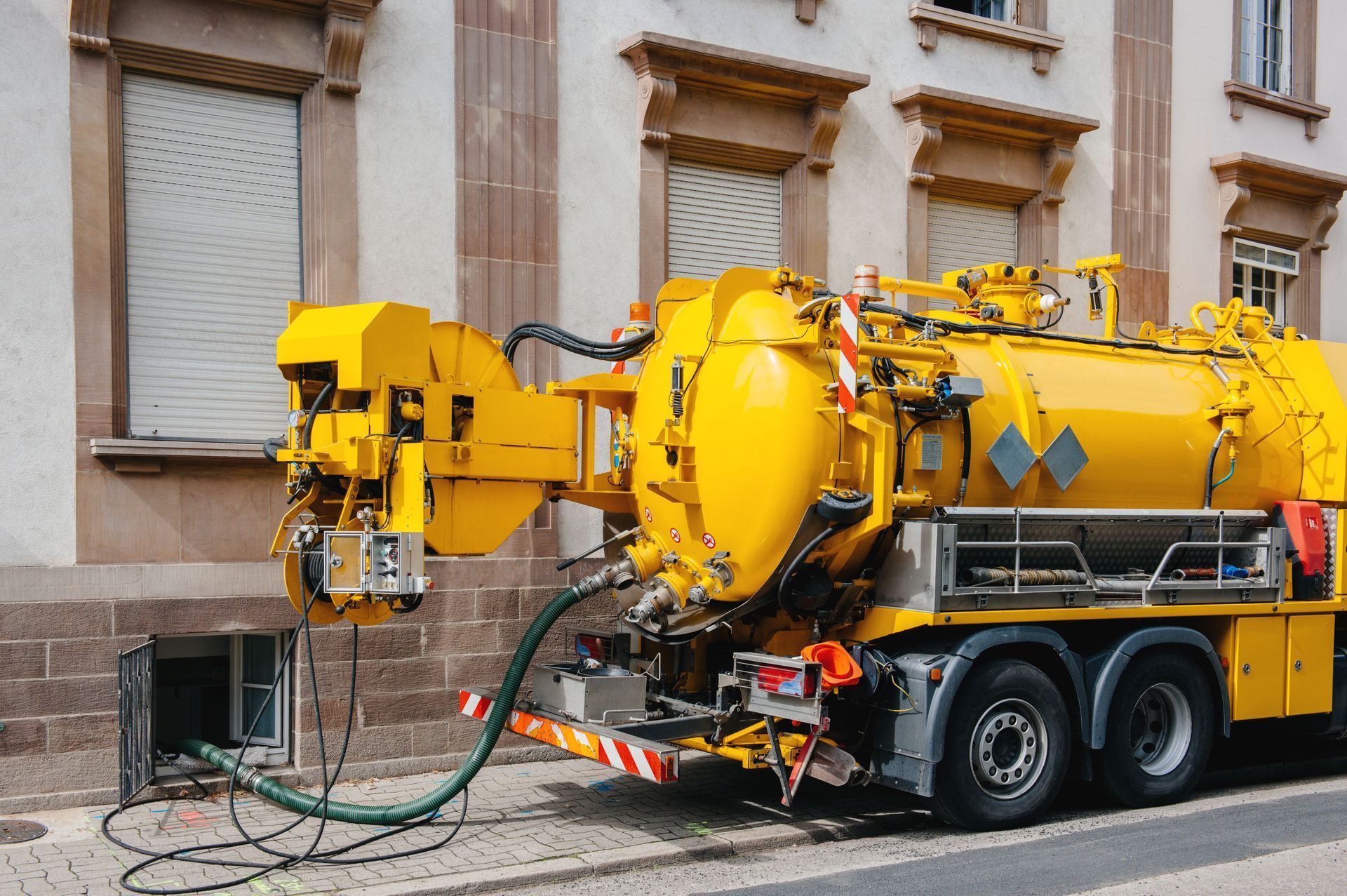
Professional cleaning methods for clogged drains may include rodding or hydrojetting. Rodding addresses certain obstructions, while hydrojetting uses high-pressure water to remove suitable buildup inside pipes. The appropriate method depends on the pipe's condition, blockage type, and plumbing system requirements. A professional assessment helps determine the best approach.
Preventing Recurring Drainage Disruptions
Although not every sewer line problem can be prevented, responsible plumbing habits and timely maintenance can help reduce some common sources of trouble. Keeping grease, cooking oils, food scraps, and unsuitable materials out of household drains can limit the amount of debris entering the plumbing system. Property owners should also pay attention to changes in drainage rather than treating repeated slowdowns as ordinary inconveniences.
Professional maintenance can be especially valuable when a property has a history of recurring backups or an older drainage system. A plumber can assess the condition of the pipes, identify areas that may need attention, and recommend an appropriate service schedule based on the property's needs.
Addressing clogged drains early may also help limit the disruption associated with a developing blockage. However, recurring symptoms should not be treated as a problem that can always be resolved with routine cleaning. If an obstruction is connected to root intrusion, pipe deterioration, or another structural concern, the underlying condition may require additional attention.
Reliable drainage supports everyday comfort, sanitation, and the normal operation of a home or business. When wastewater cannot move through the plumbing system properly, the effects can extend beyond a single sink or bathroom. Persistent backups, gurgling sounds, sewage odors, and problems affecting multiple fixtures are all reasons to arrange a professional evaluation.
Property owners throughout Central Virginia can benefit from having recurring drainage concerns assessed by an experienced plumbing team. Services such as video inspections, camera locating, rodding, hydrojetting, and root removal can help address different causes of restricted flow. The right solution depends on the condition of the pipes and the location of the problem, making accurate diagnosis an important part of the process.
Pro Pipe Plumbing & Drain provides professional drain cleaning services for residential and commercial properties throughout Central Virginia, with 24/7 emergency service available. If you are noticing repeated backups, slow drainage, or other possible signs of a sewer line issue, contact the team to schedule an inspection and discuss the appropriate next steps.